
Industry Updates
-

A 2026 Baby Wipe Recall Highlights the Importance of Ongoing Quality Signals
A company recall announcement published by FDA illustrates why customer feedback, product identification and microbiological controls belong in the same quality conversation.
-
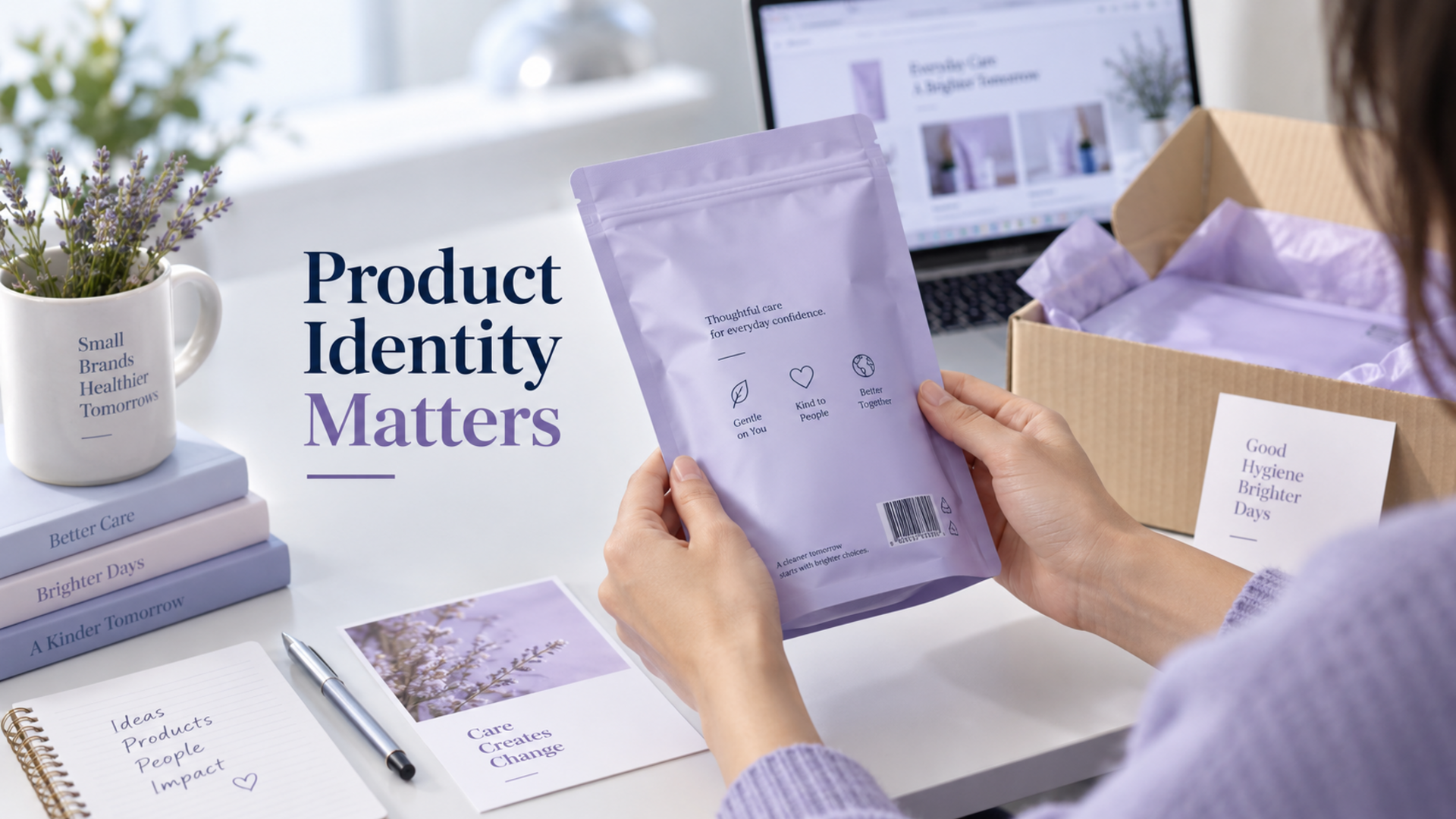
EU Online Product Safety Is Making Product Identity More Important
The GPSR strengthens the product safety framework for EU consumer sales. Hygiene brands need clear product identity and an understood regulatory scope across online channels.
-
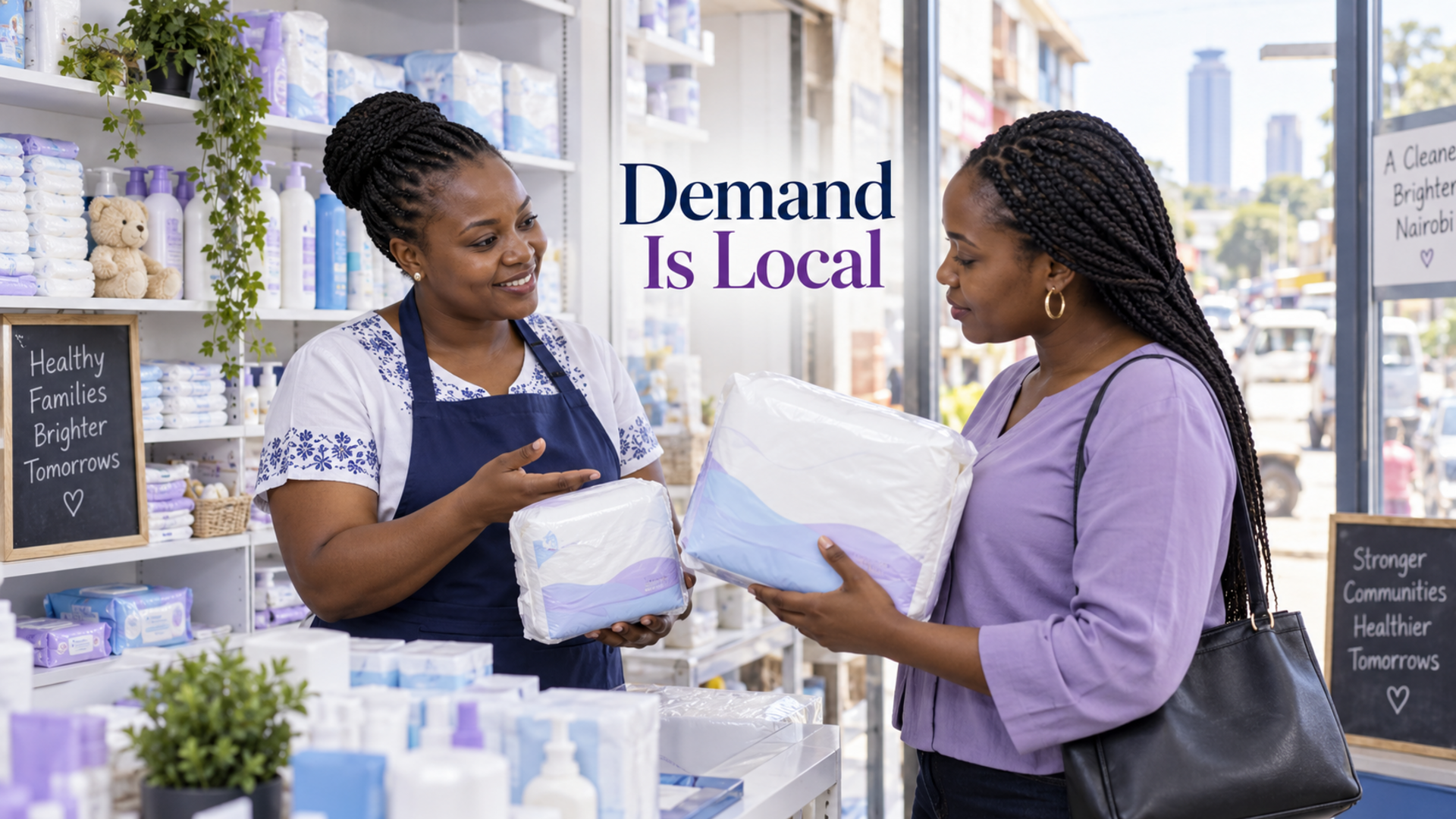
Emerging-Market Baby Care: Demographics Are Only the First Signal
Population data can identify where to investigate baby care demand. Local affordability, pack format and distribution determine whether that potential becomes repeat purchasing.
-

School Menstrual Health Gaps Put Product Access in a Wider Context
School menstrual health data points to gaps in education and disposal facilities. For institutional suppliers, access is about the whole use environment.
-

Ageing Populations Are Broadening the Adult Care Conversation
Population ageing is a long-term signal for adult care. The commercial opportunity depends on daily routines, purchasing roles and access, rather than age alone.
-
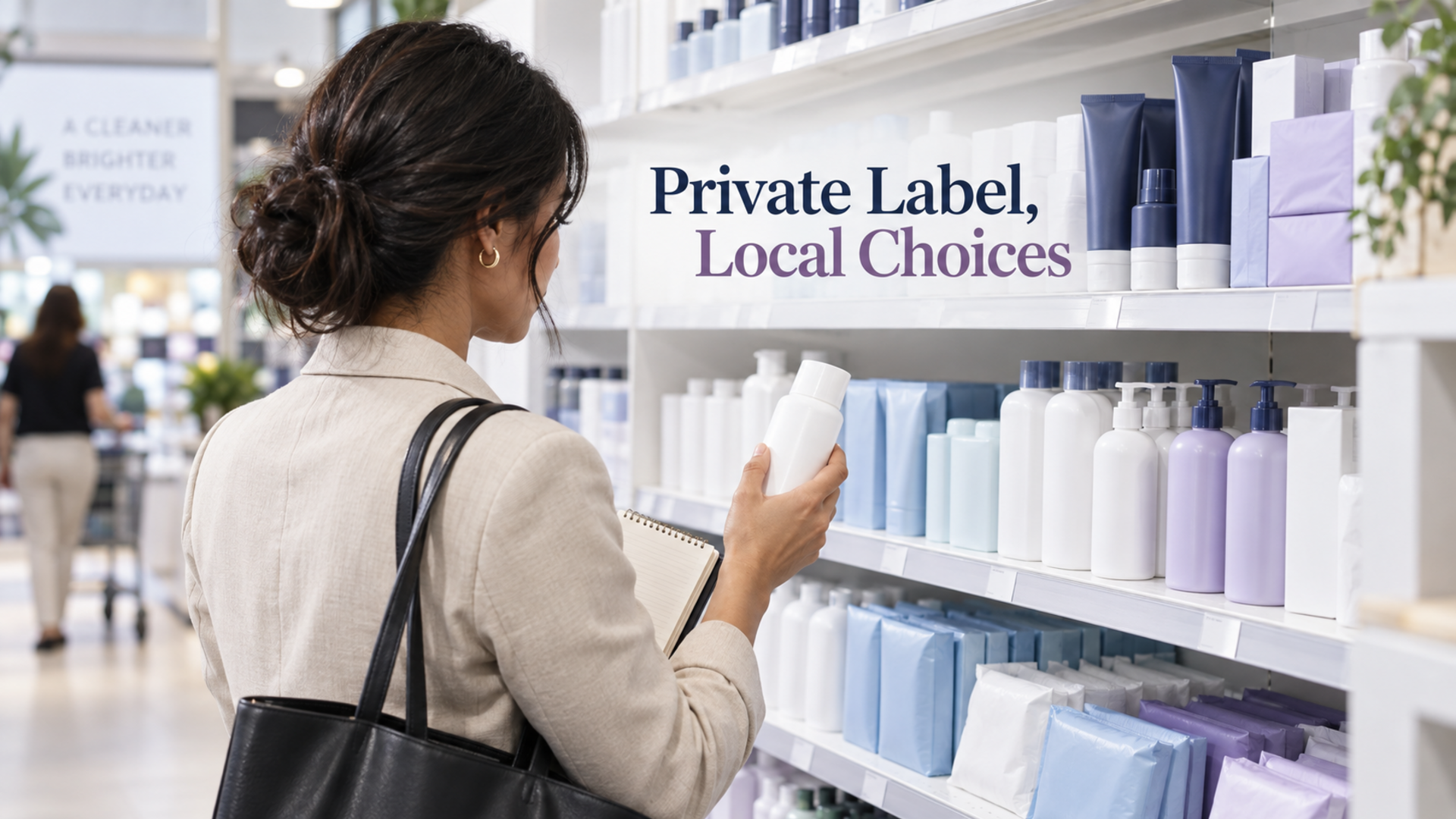
Europe’s Private Label Growth Does Not Mean One Hygiene Strategy Fits All
European private label data shows continued momentum and large national differences. Hygiene suppliers should treat it as channel context, not a category sales forecast.
-

EU Packaging Rules Have Started Applying: What Hygiene Brands Should Watch
The PPWR entered its application phase in August 2026. Hygiene brands need to distinguish immediate obligations from later measures while protecting pack performance.
-
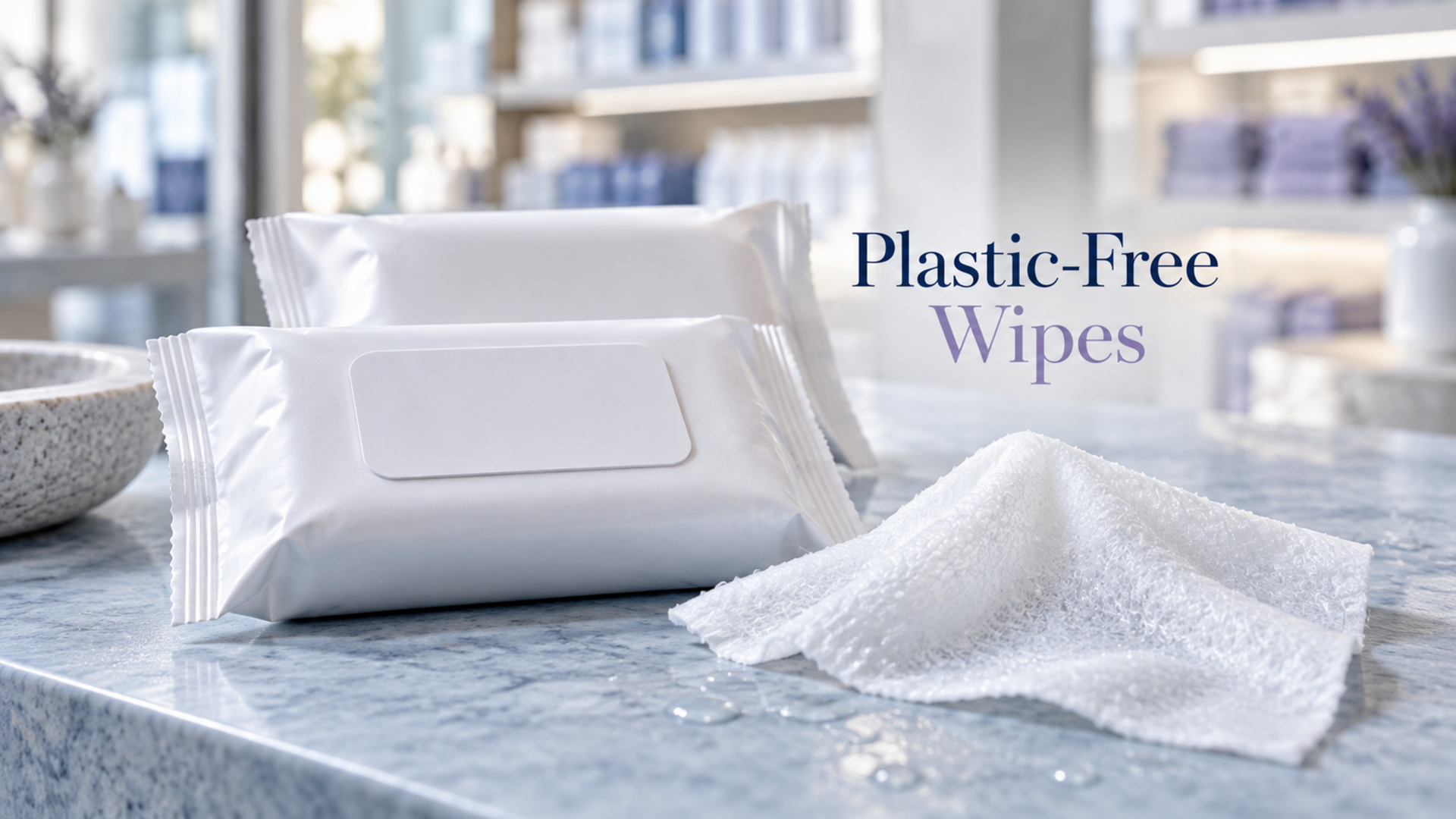
The UK Wet Wipe Transition Is Now a Market-by-Market Timeline
Different UK implementation dates are turning plastic-free wet wipes into a retail transition issue, with implications for specifications, stock and channel planning.
-
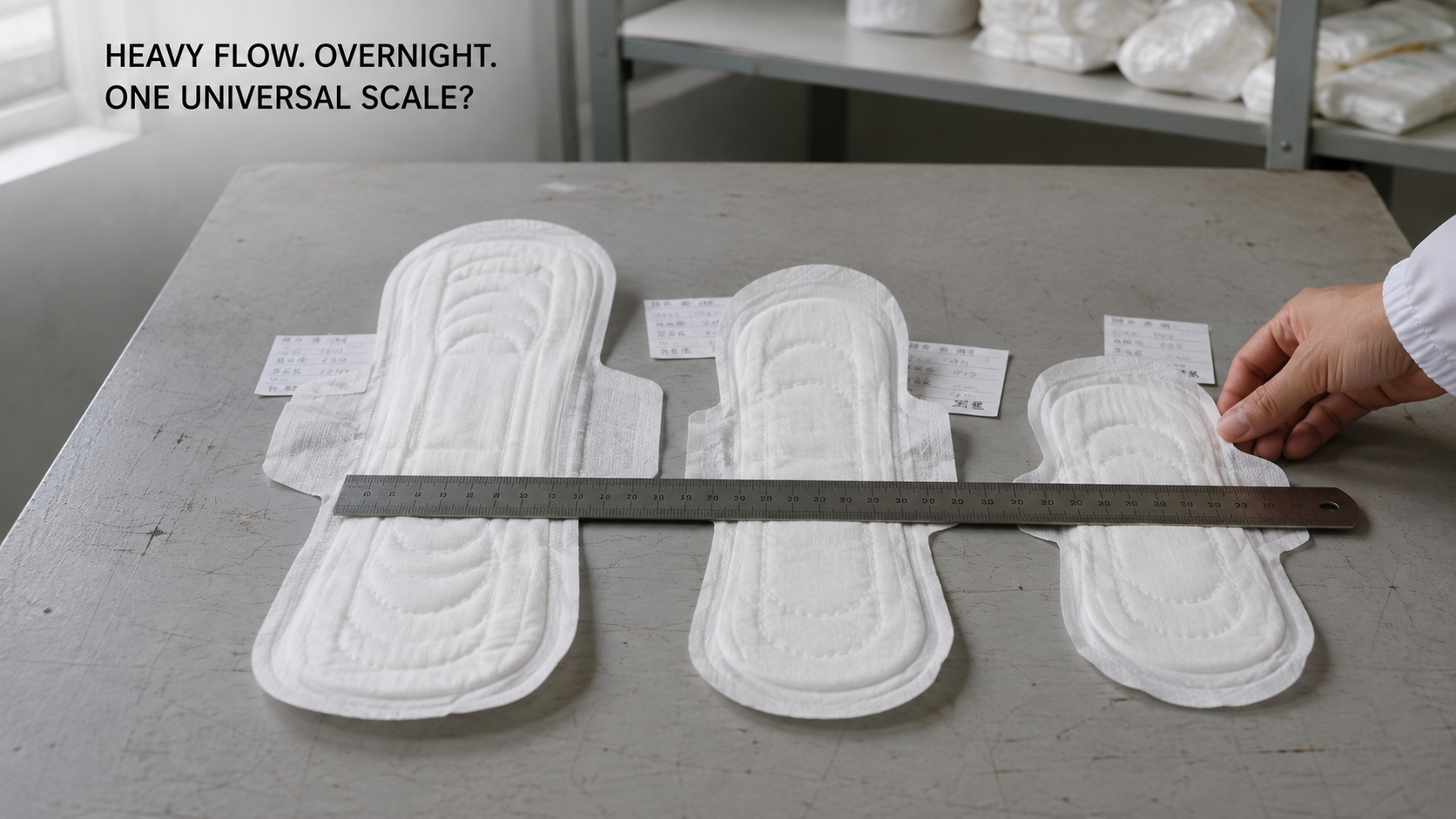
Do “Heavy Flow” and “Overnight” Mean the Same Thing on Every Sanitary Pad Pack?
They look like performance grades, but sanitary pad labels such as “heavy flow” and “overnight” are not tied to one global cross-brand capacity scale. This article separates package language from test standards—and shows private-label buyers how to build claims that mean something.
-

When Absorbency Is Not Enough: The Fit Gap in Adult Incontinence Underwear
New consumer research shows that adult incontinence products still leave gaps in absorbency and movement stability. This article explores why fit, body shape, activity and fluid-specific design matter.
-
Sustainable Claims Need More Than Green Packaging
Sustainable claims in feminine care need more than green-looking packaging. This article explains how material scope, traceable documentation and finished-product performance help turn environmental wording into clear, verifiable product claims.
-
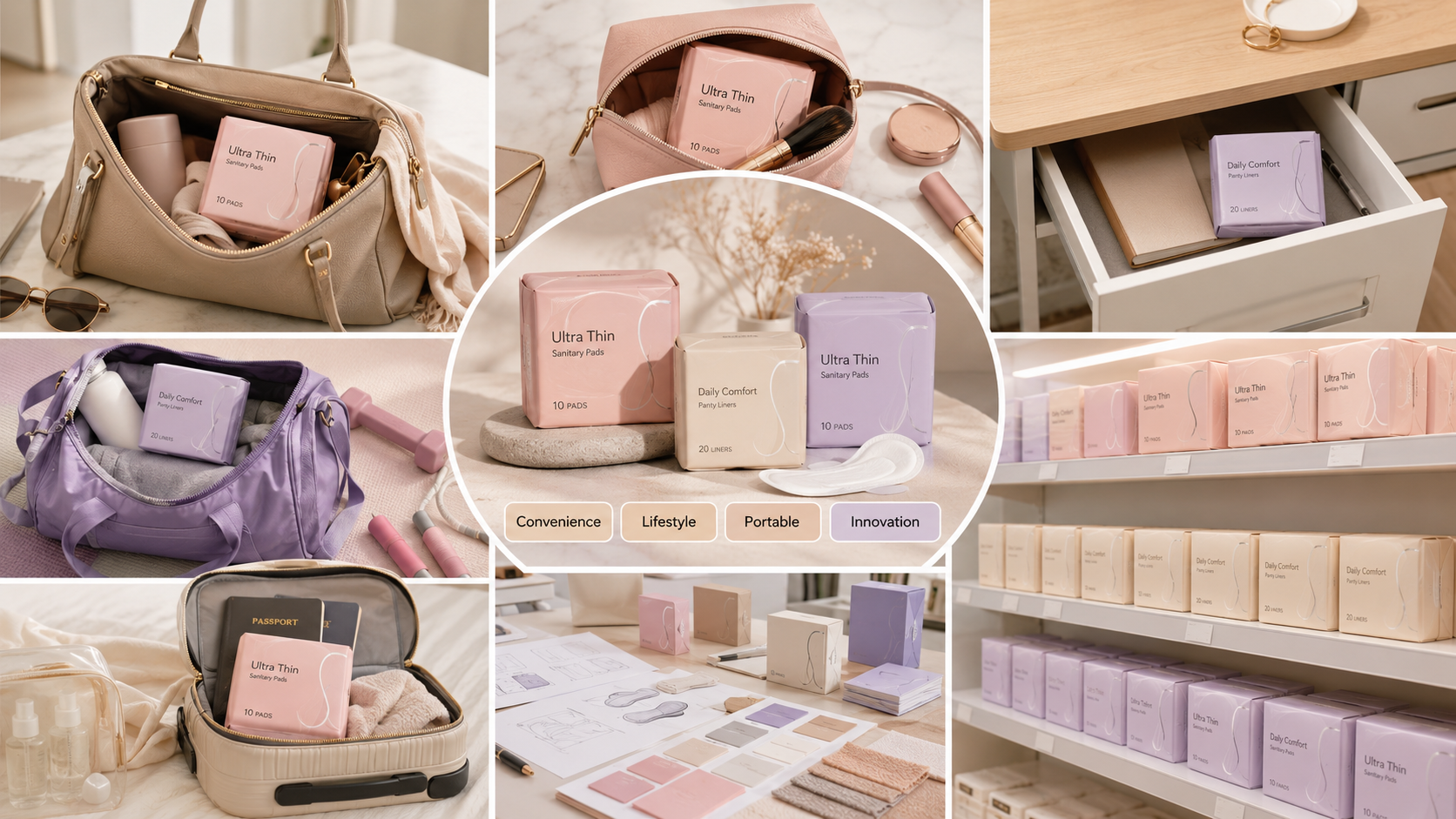
How Convenience-Oriented Product Design Is Reshaping Private Label Feminine Care Innovation
Convenience has become an increasingly important factor in feminine care product development. Market signals suggest that consumers are looking for products that fit seamlessly into modern lifestyles, encouraging private label brands to rethink packaging, portability, storage, and everyday usability across multiple retail channels.